12211 Highwater Rd, Granada Hills, CA 91344
 (310) 435-1101



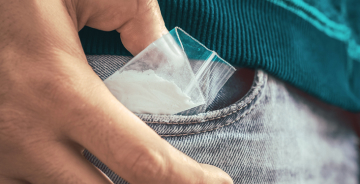
Cocaine is a powerful stimulant that increases energy, alertness, and confidence by flooding the brain with dopamine. The effects are intense but short, which often leads people to use repeatedly in a short period of time. With continued use, the brain adapts, and people may find they need cocaine to feel normal or to function. Highwater Detox provides supervised cocaine detox and residential rehab at our private facility near Los Angeles, California.
Signs of Cocaine Addiction
Cocaine addiction can develop in many settings, from social or party use to use at work to keep up with demands. Signs of cocaine addiction may include increased energy and talkativeness followed by crashes, dilated pupils, frequent nosebleeds, weight loss, trouble sleeping, irritability, paranoia, financial problems, and continued use despite negative consequences. Over time, cocaine can seriously affect the heart, brain, and mental health.
Cocaine Withdrawal Symptoms
Cocaine withdrawal is different from alcohol or opioid withdrawal. It is mostly psychological, but that does not make it easy. When a person stops using cocaine, they may experience a crash marked by exhaustion, depression, anxiety, irritability, increased appetite, disturbed sleep, difficulty concentrating, and strong cravings. In some cases, low mood during withdrawal can become severe. These symptoms make it very hard to quit without support, and cravings can trigger relapse.
Supervised Cocaine Detox at Highwater Detox
At Highwater Detox, cocaine detox typically lasts 6 to 10 days. Our clinical team provides 24/7 monitoring, with close attention to mood, sleep, and emotional wellbeing. Each patient receives an individualized detox plan, and our staff provide supportive care to manage symptoms and keep patients safe and as comfortable as possible. Having experienced professionals available at all hours helps patients get through the most difficult days of withdrawal.
Rest and Nutrition
Rest and nutrition play an important role in recovery from cocaine, which often disrupts sleep and appetite. Patients at Highwater Detox stay in individualized or shared rooms in a calm residential setting and enjoy freshly prepared gourmet meals that help restore their health. As they begin to feel more stable, patients start individual therapy and addiction counseling.
Residential Rehab for Cocaine Addiction
Because cocaine addiction is driven largely by psychological dependence, therapy is at the core of long-term recovery. After detox, we encourage patients to continue into residential rehab, available in 7, 30, 60, or 90-day programs. Residential treatment provides the time and structure to understand why cocaine use began, how it affected their lives, and how to build a satisfying life without it.
Therapy for Cocaine Addiction
Cognitive Behavioral Therapy (CBT) is especially helpful for cocaine addiction, helping patients identify and change the thoughts and situations that lead to use. Dialectical Behavior Therapy (DBT) teaches skills for managing emotions and tolerating distress. Individual therapy, group therapy, and addiction counseling help patients recognize triggers, develop healthy coping strategies, and create a detailed relapse prevention plan.
Dual Diagnosis and Holistic Care
Many people who use cocaine also struggle with a mental health disorder. Our co-occurring disorders treatment addresses both conditions together. Holistic activities such as yoga, massage therapy, fitness, and outdoor excursions help patients find natural sources of energy and enjoyment and reduce stress without stimulants.
Get Help for Cocaine Addiction Today
Highwater Detox offers 24/7 same-day admissions for cocaine detox and rehab. We accept most major private insurance plans, including PPO, POS, and Open Access plans, and self-pay options are available. We do not accept Medi-Cal or Medicaid. Contact our admissions team today for a free, confidential consultation and insurance verification.
If you need FREE help or have Medical or Medicaid insurance please contact the National Helpline about mental and/or substance use disorders, prevention, treatment, and recovery in English and Spanish.